The road to Walt Disney Studios Park
A project for the future becomes a burden
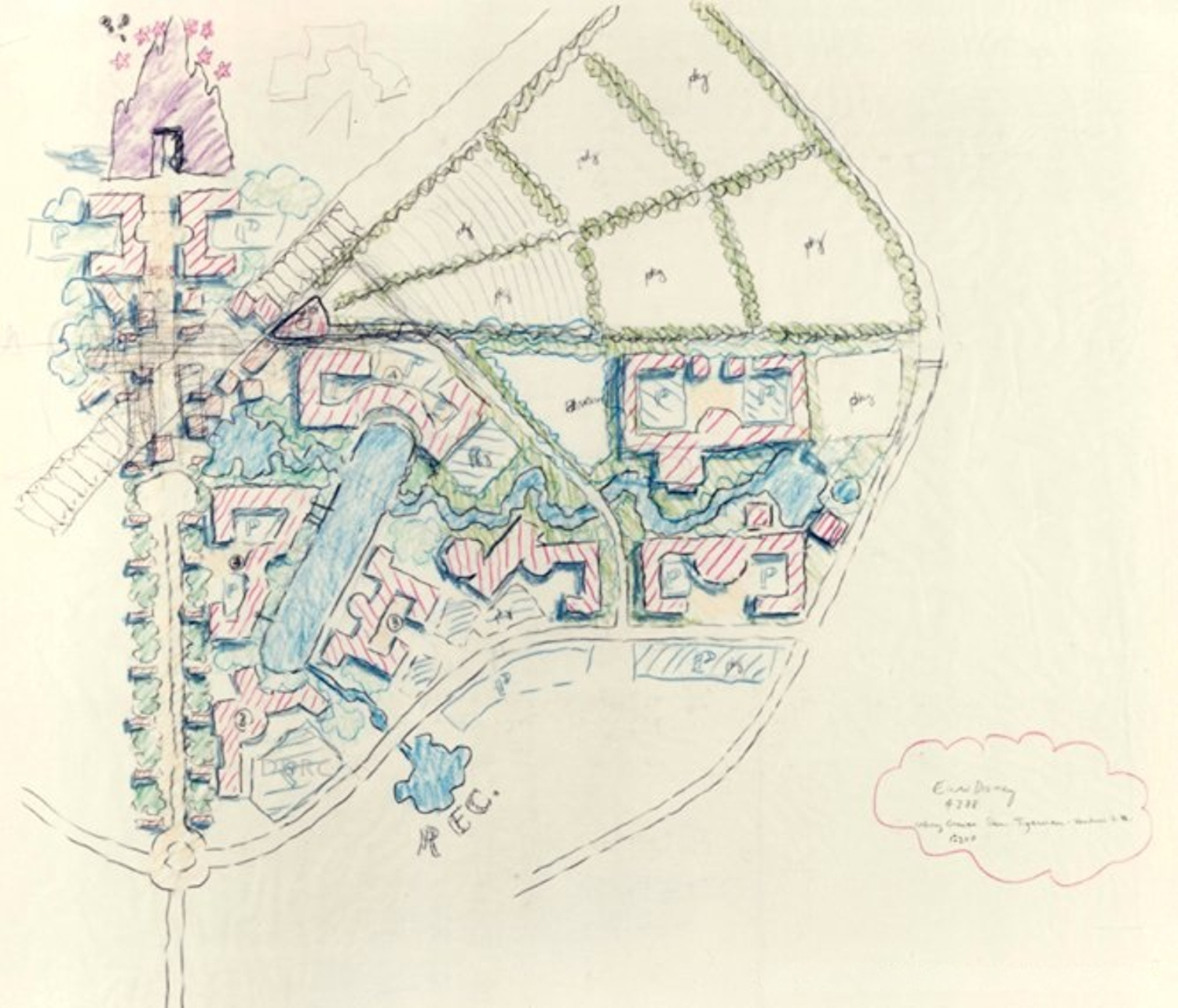
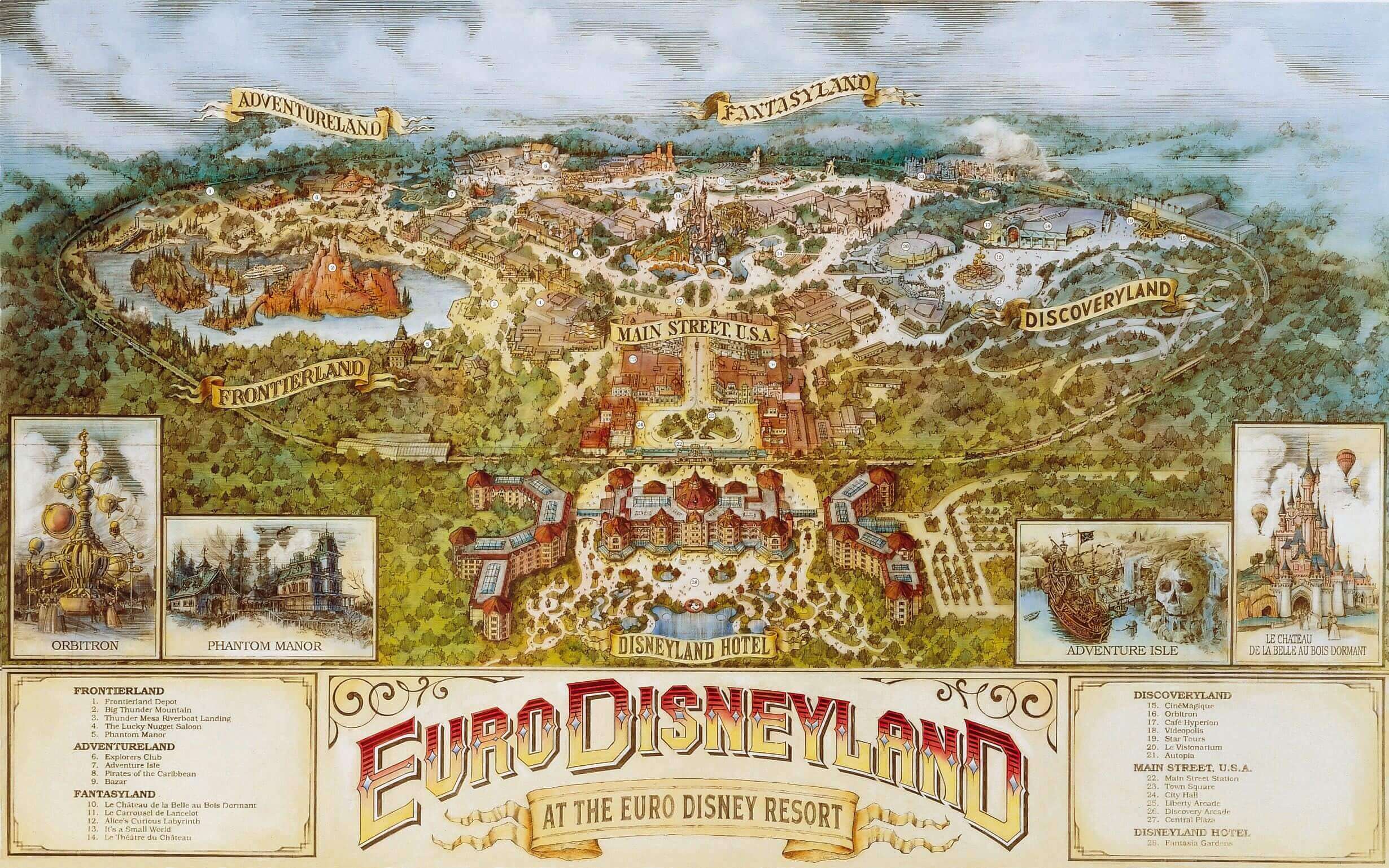
Although Disneyland Paris gained a slightly firmer financial footing in the mid-1990s, one central promise remained unfulfilled: growth. From the outset, Marne-la-Vallée had been planned not as a single park, but as a lively resort with several theme parks.
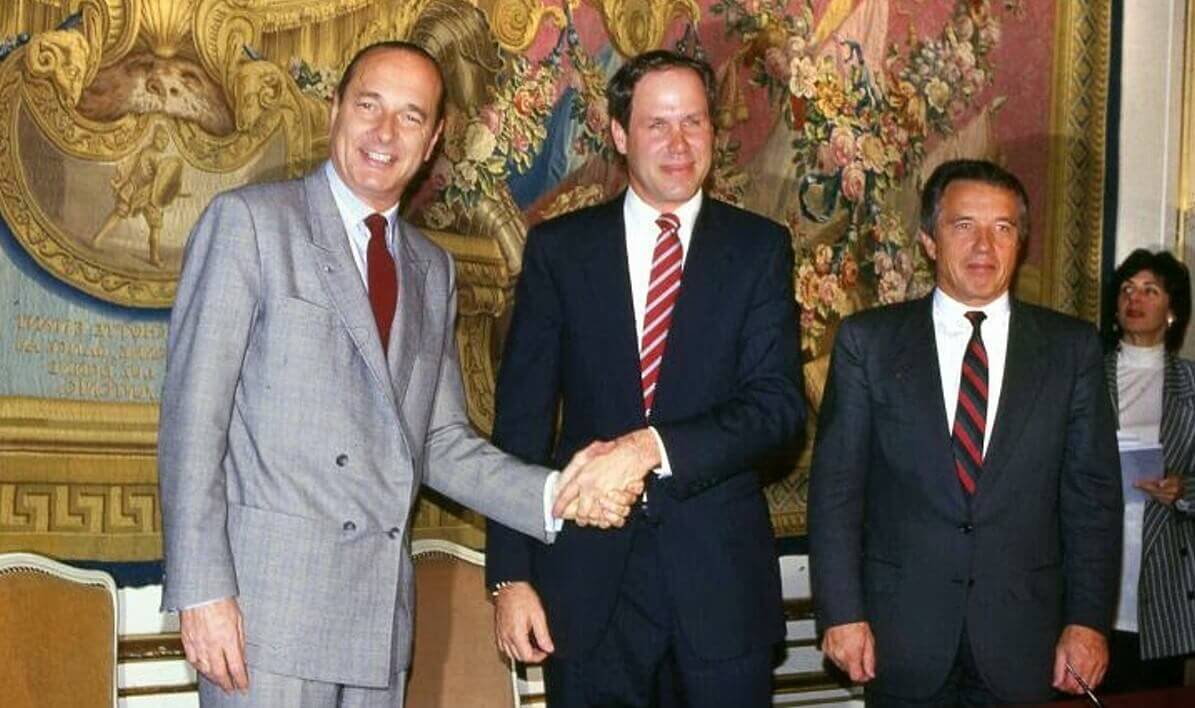
The agreements with the French state were already full of ambitious expansion plans: not only a second park, but even a third gate was to be built, and sooner rather than later. Yet as the 1990s progressed, these visions increasingly clashed with harsh financial realities. Politically, expansion remained a dream; financially, it meant walking a tightrope.
Between obligation and caution
This created a dilemma for the company. On the one hand, there was a contractual and strategic expectation that the resort would continue to expand. On the other, Disney had only just experienced how risky an overly aggressive growth strategy could be.
The resulting project was born not from a position of strength, but more from a sense of obligation, shaped by caution and limited investment. It was a project that would once again bring Disneyland Paris to the brink of complete failure.
Walt Disney Studios Park: a second gate with no pulling power
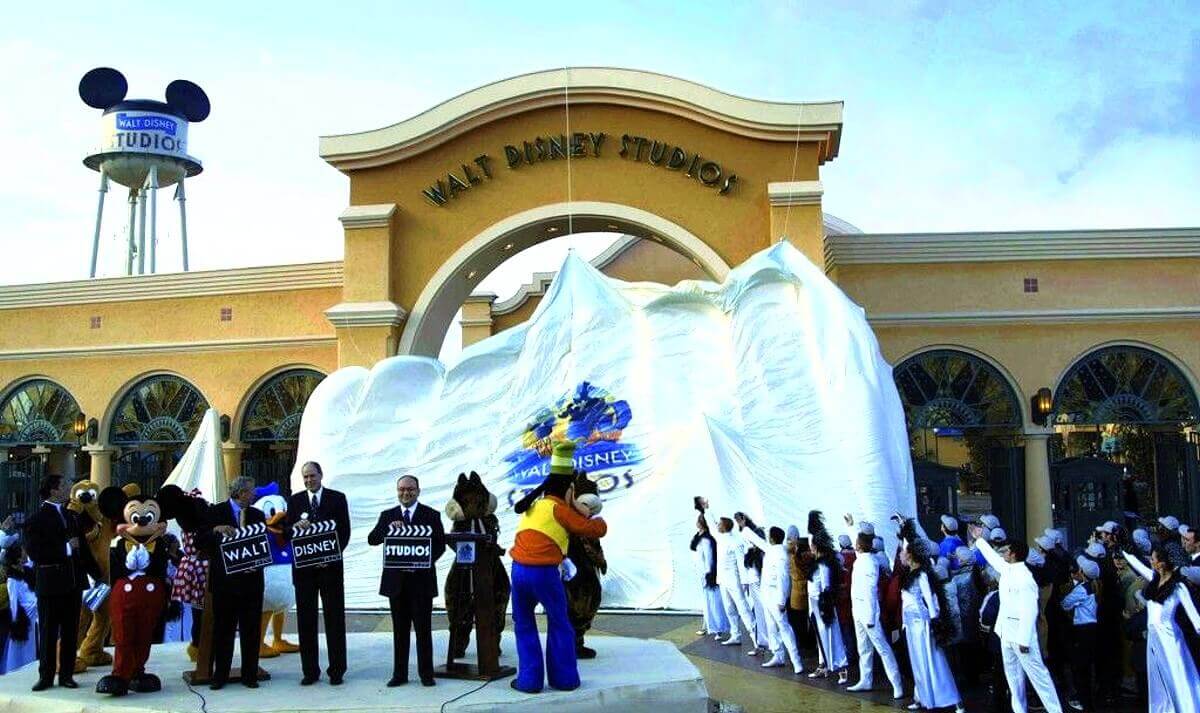
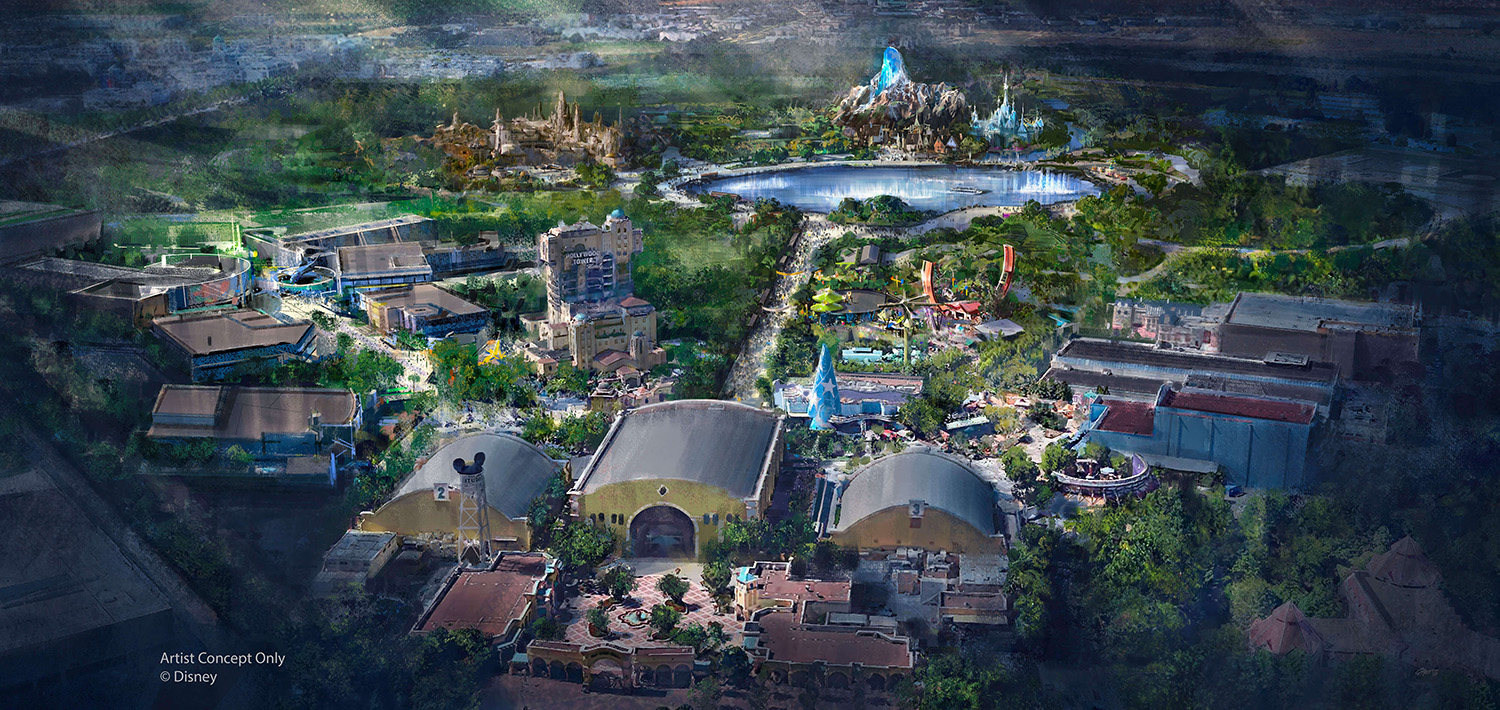
On 16 March 2002, Walt Disney Studios Park opened its gates. Expectations were high. The second park was meant to bring fresh impetus and attract more visitors. It was also expected to encourage longer stays and finally put the resort on a sound financial course.
In practice, however, it soon became clear that this plan was not working.
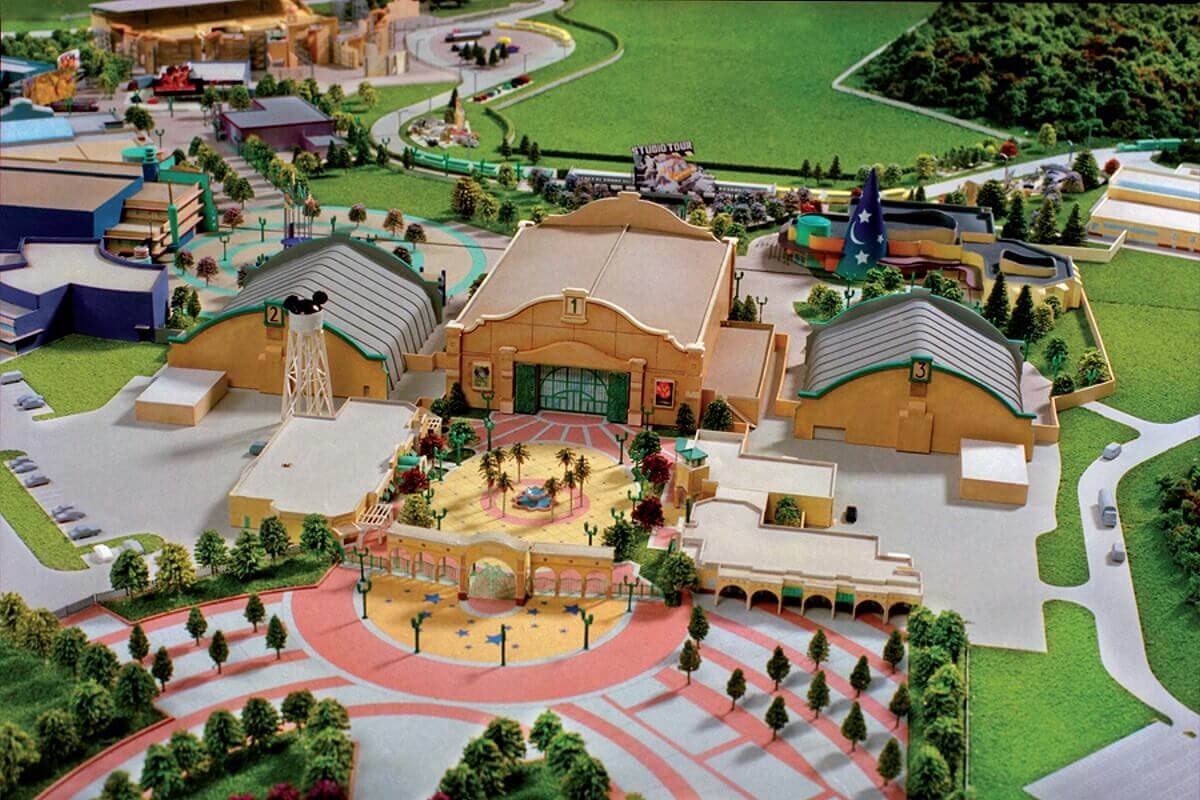
When it opened, the park seemed almost like a miniature version of other Disney parks: few attractions, a strong studio atmosphere and a focus on film production. The concept fitted the brand, but many guests missed the immersion in magical worlds they were used to in traditional themed lands.
Several structural problems emerged at the same time:
• too little space and capacity for a standalone park
• too few attractions with strong appeal
• a layout that felt functional rather than atmospheric
• a thematic approach that many guests found less emotionally engaging
The result was a park that broadened what the resort offered, but lacked the appeal needed to take it to a noticeably higher level.
A second park, but no fresh momentum
Hopes were high: a second gate would drive up visitor numbers and encourage longer stays. But the reality fell far short of these expectations.
Visitor growth fell below forecasts. Many guests did not extend their stays as much as expected, but simply divided their time between two parks. As a result, total revenue did not grow enough to justify the additional investment over the long term.
The old problem returned: high costs met slow growth. Rather than moving the resort forward, the second park brought renewed financial pressure.
Walt Disney Studios Park remained a half-hearted project and did not bring Disneyland Paris into calmer waters. On the contrary, it steered the resort straight into its next financial crisis. But more on that later.
The lengthy process of improvement
In the years after opening, it became increasingly clear that Walt Disney Studios Park needed structural improvements. Gradually, expansions and new attractions followed to improve the park:
• 2007: the opening of The Twilight Zone Tower of Terror as the first major draw
• expansion of Toon Studio, including Crush’s Coaster, which again suffered from cost-cutting. The planned second track was not built, causing capacity problems for the attraction to this day.
• 2010: Toy Story Playland as a family-focused expansion, also delivered on a tight budget.
• 2014: Ratatouille: The Adventure with the elaborately designed Place de Rémy area
These additions made the park noticeably more appealing and helped establish it as an experience in its own right. At the same time, the length of this process shows how deep the early structural shortcomings ran.
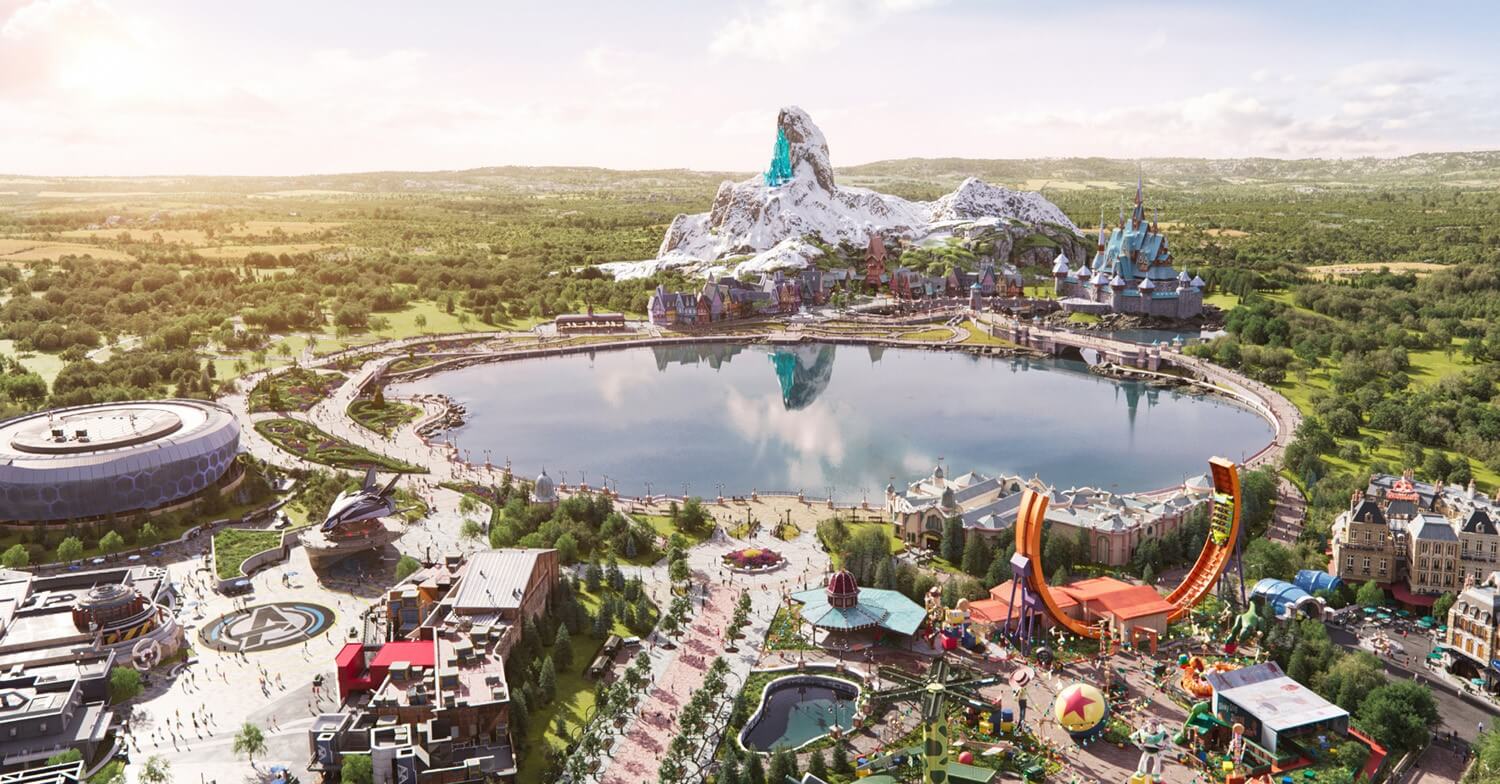
Even today, the park is not yet up to the standard of a fully fledged Disney park, although a way forward is slowly emerging.
Growth under difficult conditions
Alongside these investments, or perhaps precisely because they were far too cautious, the resort once again faced mounting financial challenges. One example was the aggressive pricing of annual passes. This brought in visitors but also put pressure on average revenue per guest.
For years, the resort also had to balance maintenance and modernisation needs against tight budgets. Refurbishments were often only superficial, or projects were postponed, leaving a growing investment backlog.
Systematic work to tackle this backlog began only in the mid-2010s. This process was closely linked to the later change of direction across the resort.
Taking stock: a park with a troubled start and lasting consequences
In hindsight, Walt Disney Studios Park in its original form failed to meet expectations. It was built under financial constraints and was smaller than comparable projects. It also lacked the appeal needed to strengthen the resort over the long term. Rather than a lifeline, the park became another millstone around the neck of a project whose financial position had improved by the time the park opened, but which was even further from lasting success.
The consequences of this flawed planning ran through the resort’s history. Instead of driving growth, the park became another problem area, finding its place only through continual improvements. That process continues to this day.