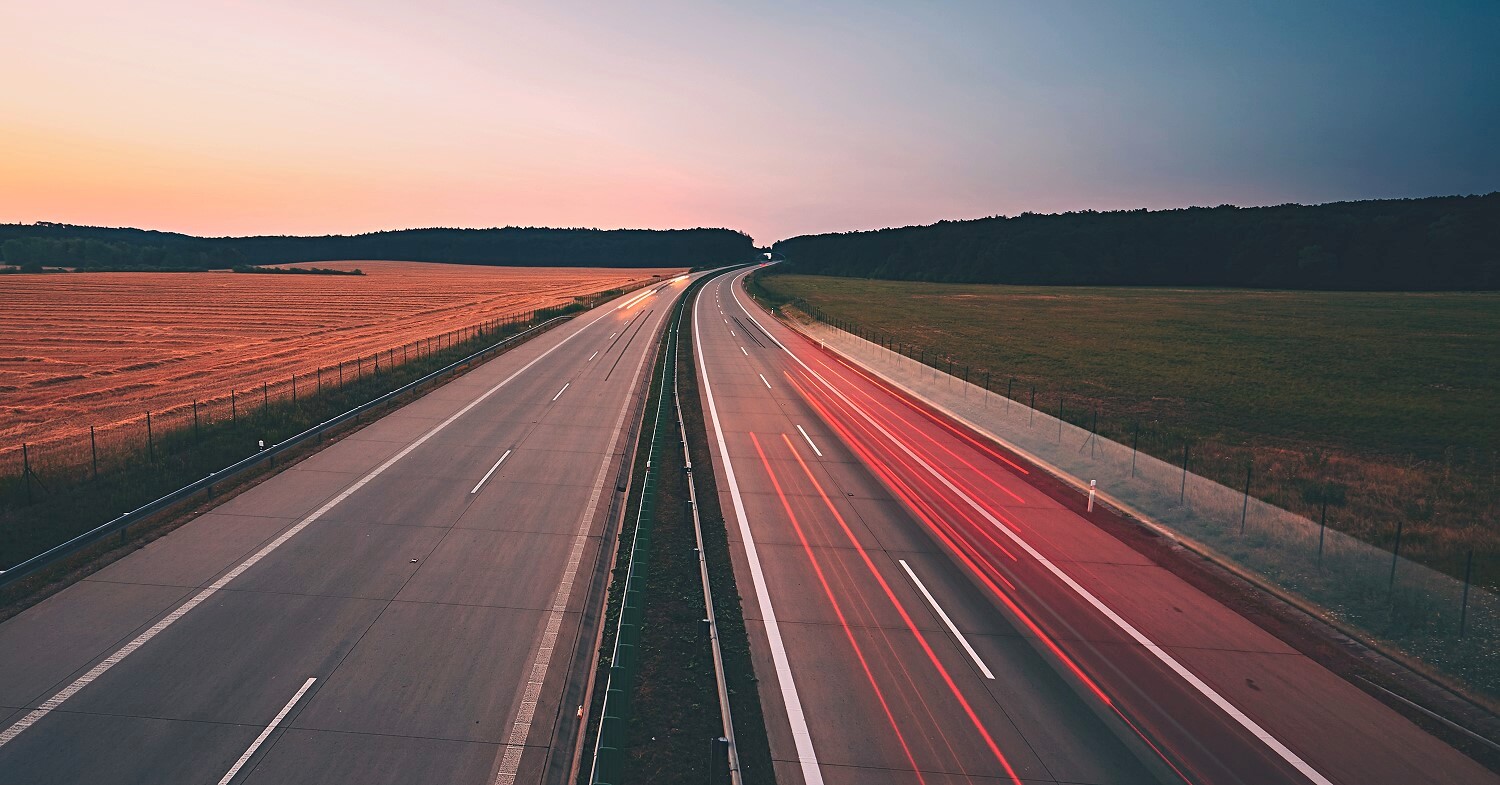
View of an empty highway at dusk

Travelling to Disneyland Paris by car

Everything you need to know about travelling to Disneyland Paris by car

Travelling by car is often one of the most convenient ways to get to Disneyland Paris. Depending on where you live in the UK, travelling in your own car can be well worth considering. The advantages are clear: you are independent and flexible when it comes to your arrival and departure, and there are few restrictions on how much luggage you can take. Driving is particularly practical for families or longer stays.

Disneyland Paris is conveniently located east of Paris and can be reached directly via the motorway network. The resort also has good facilities for drivers, from the large main car park to petrol stations and charging points for electric cars. At the same time, there are a few things you should be aware of when driving in France, including motorway tolls, speed limits and low-emission zones.

Right-hand traffic
An important note for travellers from Great Britain: right-hand traffic applies in France.This sounds obvious, but we would rather point it out again.

On this page, you will find all the important information about travelling to Disneyland Paris by car in one place. This means you will know what to look out for before you set off and can start your journey well prepared and relaxed.

Banner Ad Takeover 2027 – 2 nights at the Disney Hotel, 3 days at both parks, an exclusive evening event at Disney Adventure World from 399.00 euros – including an exclusive dlp.info VIP bonus! Banner Ad mobile view Takeover 2027 – 2 nights at the Disney Hotel, 3 days at both parks, an exclusive evening event at Disney Adventure World from 399.00 euros – including an exclusive dlp.info VIP bonus!

Travelling to Disneyland Paris by car: What you need to know

Motorway & Route Nationale

Disneyland Paris is very well connected by road and easy to reach by car. The fastest route is via the French A4 motorway, which leads directly to the resort. Disneyland Paris even has its own junction, Exit 14, and the signs featuring Mickey Mouse are hard to miss.

Traffic on the motorway usually flows well. Traffic levels are generally moderate, and major roadworks are relatively rare. However, most French motorways charge tolls based on the distance travelled. The system is straightforward, and you can find more details further down in the separate toll section.

If you would rather avoid tolls, you can use the Route Nationale instead. These roads often run parallel to the motorway and are particularly attractive where they have several lanes. On these stretches, they can be a genuine alternative. Where there is only one lane in each direction, however, travelling through towns and getting stuck behind slower vehicles can add considerably to the journey time.

Which route suits you better depends mainly on your own travel plans:
The motorway is the fastest and most comfortable option, while the Route Nationale is worth considering if you prefer a more relaxed journey without tolls.

Most French motorways are toll roads, so you should allow for toll charges when planning your drive to Disneyland Paris. If you cross the Channel to Calais, the quickest route to the resort uses the French motorway network. For a standard car, you should currently expect to pay around €25 each way between Calais and Disneyland Paris.

On most toll motorways, the system is straightforward. You either take a ticket when entering the motorway and pay when you leave, or the amount is calculated at the toll plaza. Visa and Mastercard are widely accepted, and many toll plazas also accept cash in euros. If you are driving a right-hand-drive car from the UK or Ireland, having a passenger can make using ticket machines and payment terminals on the left-hand side considerably easier.

If you regularly drive in France, an electronic toll tag can also be useful. It allows you to use the lanes marked with a t and automatically charges the toll without having to pay at each toll plaza.

There is one important difference if your route takes you through Normandy. The A13 and A14 between Normandy and Paris now use free-flow tolling on sections of the route. There are no barriers where you stop and pay. Instead, your number plate is recorded automatically and the toll must be paid within 72 hours, either online via Sanef or using an electronic toll tag. This may be relevant if you travel to France by ferry via ports such as Caen or Le Havre, and can also affect some routes used by travellers arriving from Ireland.

Toll prices depend on your route and vehicle class, so check the current charges before you travel. Motorhomes and taller vehicles may fall into a more expensive toll category than a standard car.

Speed limits in France

If you are driving to Disneyland Paris, you should be familiar with the speed limits in France. They differ from those in the UK in several respects, and all speed limits are shown in kilometres per hour.

  • On motorways, the maximum speed is generally 130 km/h (81 mph).
  • On dual carriageways with a central reservation, the limit is generally 110 km/h (68 mph).
  • On other roads outside built-up areas, the limit is generally 80 km/h (50 mph).
  • In built-up areas, the usual limit is 50 km/h (31 mph).

Lower speed limits in wet weather:
In rain or on wet roads, the limits are reduced. The maximum speed is then 110 km/h on motorways and 100 km/h on dual carriageways, while the 80 km/h limit on other roads outside built-up areas remains unchanged.

Speeding offences in France can result in substantial fines, and police can issue fines on the spot.

Petrol stations near Disneyland Paris

If you are driving to Disneyland Paris, you will also need to think about fuel stops. There are, of course, service areas with petrol stations along the French motorways, and several convenient options can also be found around Disneyland Paris.

There is an Esso petrol station directly next to the Disney Hotel Santa Fe, open 24 hours a day. It is particularly convenient for a quick fuel stop when you arrive or just before you leave. Prices here are usually slightly higher than the regional average. The shop also sells snacks and drinks if you need to stock up before continuing your journey.

Cheaper alternatives can be found around Val d’Europe. There is an independent petrol station by the large shopping centre which often has noticeably lower prices. It is only a few minutes’ drive from the resort.

Important: At some petrol stations in France, particularly unmanned ones, payment works slightly differently. You may need to insert a credit or debit card into the terminal at the pump before refuelling is authorised. Payment is then processed automatically, without having to go to a separate cashier.

High-visibility vests & more

If you are driving to Disneyland Paris from the UK, there are a few equipment rules in France that you should be aware of. Some differ from the requirements you may be used to at home.

High-visibility vest – compulsory in France
You must carry at least one CE-approved high-visibility vest in your vehicle. The driver must wear it when leaving the vehicle after a breakdown or accident, for example on a motorway or country road.
Important: The vest must be kept within easy reach inside the car, rather than in the boot, so that you can put it on before getting out.

Only one high-visibility vest is required by law. However, it is a good idea to carry one for every passenger in case everyone needs to leave the vehicle during a breakdown.

Warning triangle & first aid kit
A warning triangle is compulsory in France and must be carried in the vehicle. A first aid kit, on the other hand, is not required by French law, although it is of course still useful to have one with you.

Breathalyser – yes or no?
There is still some confusion about breathalysers. France did introduce a requirement to carry one for a time, but this rule is no longer in force.
You do not currently have to carry a breathalyser in your vehicle.

Driving a UK-registered car in France
If you are travelling in a UK-registered vehicle, make sure your headlights are suitable for driving on the right and use headlight converters if necessary. You must also display a UK identifier unless it is already included on your number plate together with the Union flag.

Environmental sticker (Crit’Air)

France has low-emission zones where vehicles must display a valid Crit’Air sticker. The sticker must be clearly visible on the windscreen.

The Crit’Air sticker is not compulsory throughout France. It is required in designated low-emission zones and may also be needed when temporary restrictions are introduced during periods of high air pollution. It is particularly relevant if you plan to drive into Paris, where the Greater Paris low-emission zone covers a large area.

Important for your journey to Disneyland Paris:
Disneyland Paris itself is outside the Greater Paris low-emission zone. If you drive directly to the resort and stay in the surrounding area, you do not normally need a Crit’Air sticker.
If your route takes you into the Greater Paris low-emission zone, however, you will need one.

Categories and restrictions
There are six Crit’Air categories, from 0 to 5. The category your vehicle receives depends on factors including its fuel type, Euro emissions standard and date of first registration.
In the Greater Paris low-emission zone, restrictions currently apply to Crit’Air 3, 4 and 5 vehicles as well as vehicles without a Crit’Air classification. For cars and light commercial vehicles, the standard restrictions apply from Monday to Friday between 8:00am and 8:00pm, excluding public holidays.

Ordering a Crit’Air sticker
If you are travelling in a UK- or Irish-registered vehicle, you must order the sticker online before your trip. It cannot be bought at the border or at petrol stations.

After ordering, you will receive a confirmation by email, followed by an invoice containing a facsimile of your Crit’Air sticker. It is therefore a good idea to order well before you travel rather than relying on the physical sticker arriving at the last minute.

Fines and restrictions
Driving in a low-emission zone without the required Crit’Air sticker, or with a vehicle that is not permitted to enter, can result in a fine. Different or stricter restrictions can also be introduced temporarily during periods of high air pollution.

Our tip:
If you are not sure whether your route or plans will take you into a low-emission zone, ordering a Crit’Air sticker in advance can still be worthwhile. It costs very little and gives you more flexibility if you decide to drive into Paris or have to change your route unexpectedly.


Travelling to Disneyland Paris by electric car

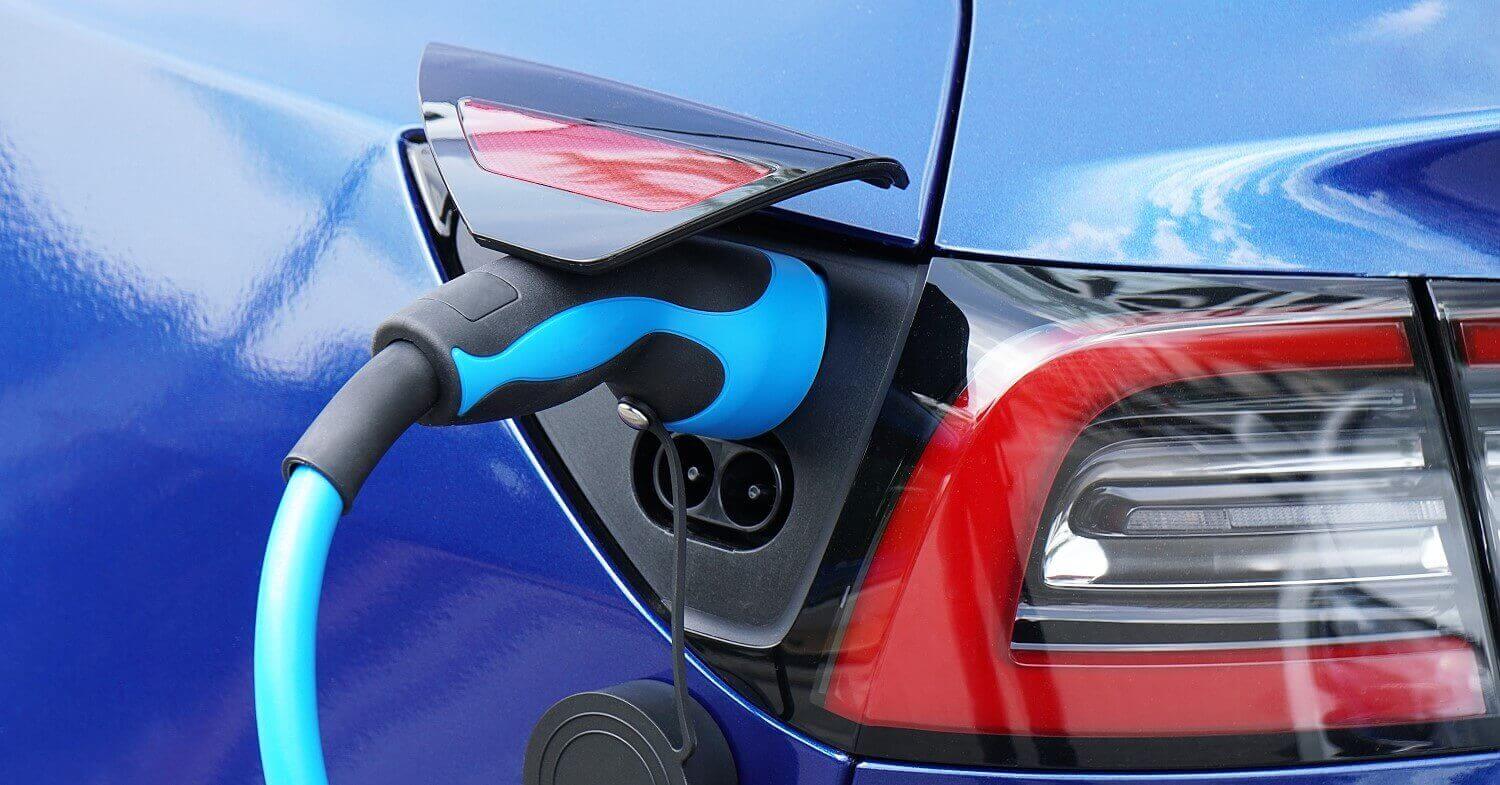
The rear of a blue electric car during the charging process. The charging cable is connected.

Are you travelling by electric car and planning your journey to Disneyland Paris? We have put together some important information about charging points at the hotels, in the main car park and around the resort, so you can plan ahead before you set off.

EV charging at Disneyland Paris
One of the most important questions when travelling to Disneyland Paris by electric car is where you can charge it.

  • at the Disney Hotels
    EV charging points are available in the car parks of the Disney Hotels, with the exception of Disney Hotel Santa Fe and Disney Davy Crockett Ranch. Charging is currently free for hotel guests, although charging speeds are relatively low, so you should allow plenty of time.
    If all the charging points at your hotel are occupied, or you are staying at a Disney Hotel without charging facilities, speak to reception. A Cast Member can tell you what other charging options are available.
  • in the main car park
    The main car park at Disneyland Paris now has more than 500 charging points for electric vehicles. Charging is subject to a fee and the stations are operated by a third-party provider. You can check the current price at the charging point.
  • at the Esso petrol station
    The Esso petrol station next to Disney Hotel Santa Fe also has EV charging points, including fast chargers.
  • in the surrounding area
    There are various other places to charge an electric car around Disneyland Paris, and the number of charging points continues to grow. For example, there is a Tesla Supercharger in Avenue Johannes Gutenberg in 77700 Bailly-Romainvilliers. It has 24 charging points with speeds of up to 250 kW and is also open to compatible non-Tesla electric vehicles. Charging points can also be found at the Clos du Chêne shopping park in Montévrain.

We recommend using an app or website that shows charging points along your route and around Disneyland Paris, together with information such as connector types, charging speeds, availability and current prices. This is particularly useful when planning the journey from the UK, as you can include charging stops before and after crossing the Channel.

Rental cars

If you do not want to make the entire journey from the UK by car, you can hire a car for the final part of your trip instead. There are numerous car hire companies in Paris and at both Charles de Gaulle and Orly airports. From there, Disneyland Paris can usually be reached in around 45 to 60 minutes, depending on your starting point and traffic.

There is also a car hire office directly at the resort. Avis, the official car hire partner of Disneyland Paris, has an office at Marne-la-Vallée/Chessy station. This is particularly convenient if you arrive by train and would like to have a car during your stay.

A hire car can be particularly useful if you want to remain flexible during your stay, for example for shopping at Val d’Europe, exploring the surrounding area or travelling at unusual times. If you are only visiting the Disney Parks, however, a car is not essential, as Disneyland Paris is very well connected by public transport.

Book a Disneyland Paris dream vacation